

ICF walls don’t attract pests, don’t give them shelter, and make it hard for bugs like termites to reach wood. In Florida’s humid, pest-prone environment, ICF homes create a sealed structure that naturally resists infestation and limits long-term pest damage.
ICF Construction Changes the Game for Bug-Proof Building in Florida
Florida’s heat, humidity, and high termite activity make pest control a structural issue. What’s inside your walls matters just as much as what’s outside.
ICF construction changes the game by creating a home bugs can’t easily enter or survive in, no chemicals, just smarter design. Here’s why it works:
- No cavities for bugs to hide or nest in
- EPS foam doesn’t feed pests or hold moisture
- Reinforced concrete core acts as a solid barrier
- Termites must tunnel through a foot of foam to reach wood
- Sealed, airtight builds keep moisture and bugs out
- Reduces weak points like wall voids, sill plates, and soffits
ICF isn’t a magic fix, but with smart design and planning, it offers long-term protection in one of the toughest climates for pest control.
If you’re building in Florida, it’s worth knowing where ICF shines, and where it still needs a little help. Let’s walk through both.
Why ICF Walls Make Bugs Hate Your Home
ICF systems use hollow blocks made of expanded polystyrene (EPS) foam. These blocks are stacked and filled with concrete, creating a solid, insulated wall with no gaps or seams.
Unlike traditional wood-framed walls, ICF walls are dense, airtight, and completely sealed.
No Food, No Gaps, No Problem
Termites, ants, and other pests thrive in wall cavities, behind baseboards, and anywhere they can find warmth, moisture, or a meal. ICF walls give them none of that.
EPS foam isn’t edible, and the concrete core offers no entry points or nesting zones. In fact, pests would need to tunnel through 12 or more inches of foam just to reach any wood, if any exists at all.
Reinforced From the Inside Out
The true strength of ICF is its simplicity. With no cavities to crawl into and no wood to feast on, pests are effectively shut out.
Reinforced with steel and sealed during construction, ICF walls create a physical barrier that bugs struggle to overcome.
Most infestations happen where construction leaves gaps, ICF construction avoids that altogether.
Florida builders are turning to ICF not just for energy savings, but because it delivers long-term peace of mind.
But in a region where bugs can do serious damage, it’s not just about what ICF keeps out, it’s about what it helps protect.
Next, we’ll look at why pest pressure is so high in Florida, and how ICF gives homeowners a critical edge.
Why Bugs Are a Serious Threat in Florida (And How ICF Helps)
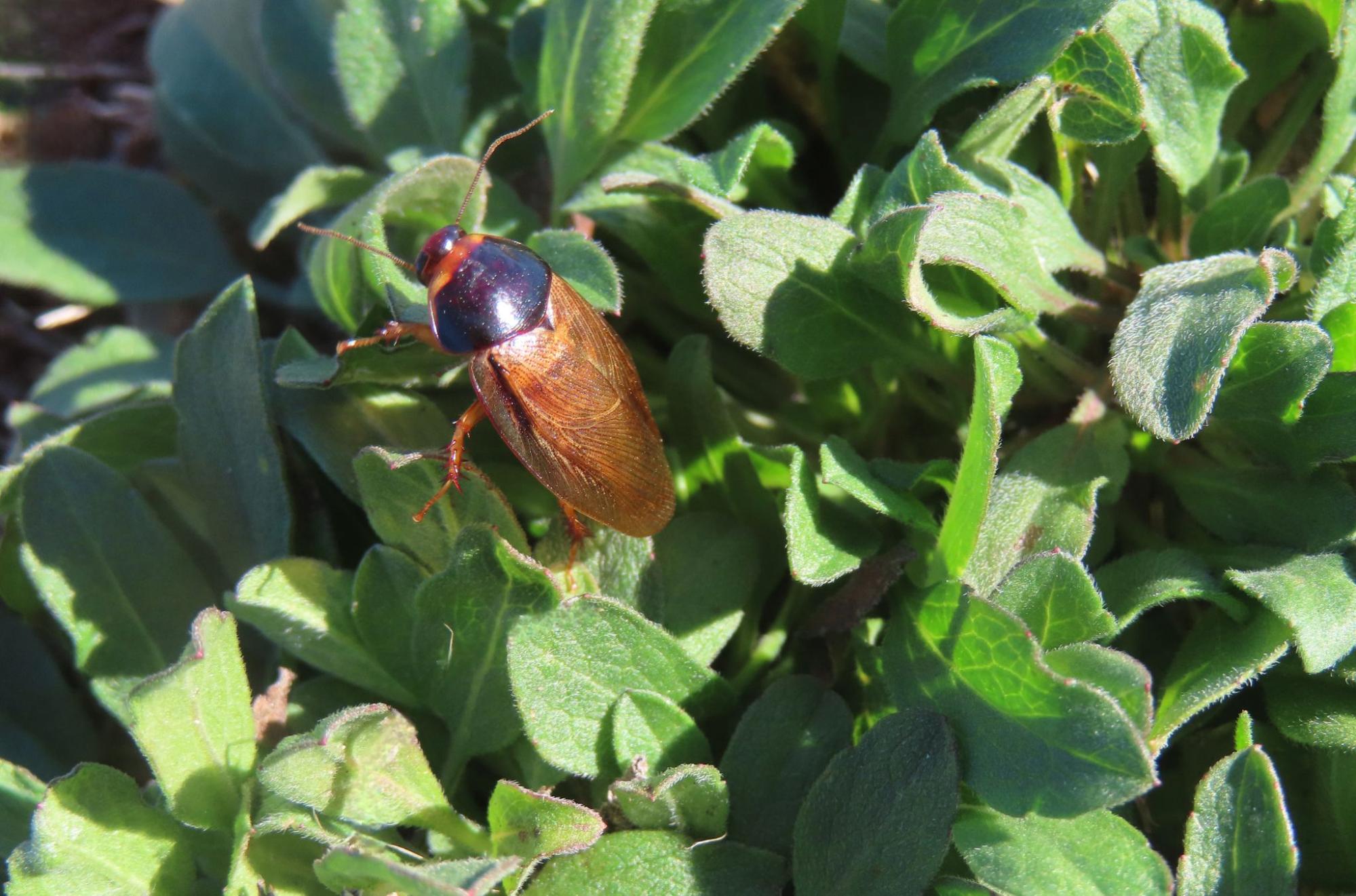
In Florida, pest pressure isn’t a seasonal concern, it’s built into the environment.
Warm temperatures, high humidity, and sandy soil create ideal breeding grounds for bugs, especially termites. If you’re building here, pest defense isn’t optional.
Florida’s Termite Risk Is Real
Subterranean termites are among the most destructive pests in the U.S., and Florida’s warm, humid climate gives them ideal conditions to thrive year-round.
One particularly aggressive species, the Formosan termite, is known for spreading quickly and even tunneling through foam insulation to reach wood.
Termite damage is a serious concern for Florida homeowners, not just because of how quickly it can happen, but because infestations often go unnoticed until significant harm has already been done.
Conventional Homes Don’t Stand a Chance
Wood framing, CMU block, and traditional construction methods leave too many openings for pests. Voids in walls, exposed framing, and moisture-prone materials create ideal entry points and nesting spots.
Even when treated wood is used, long-term exposure to moisture can compromise its resistance, making it easier for pests to gain a foothold.
How ICF Helps Keep Bugs at Bay
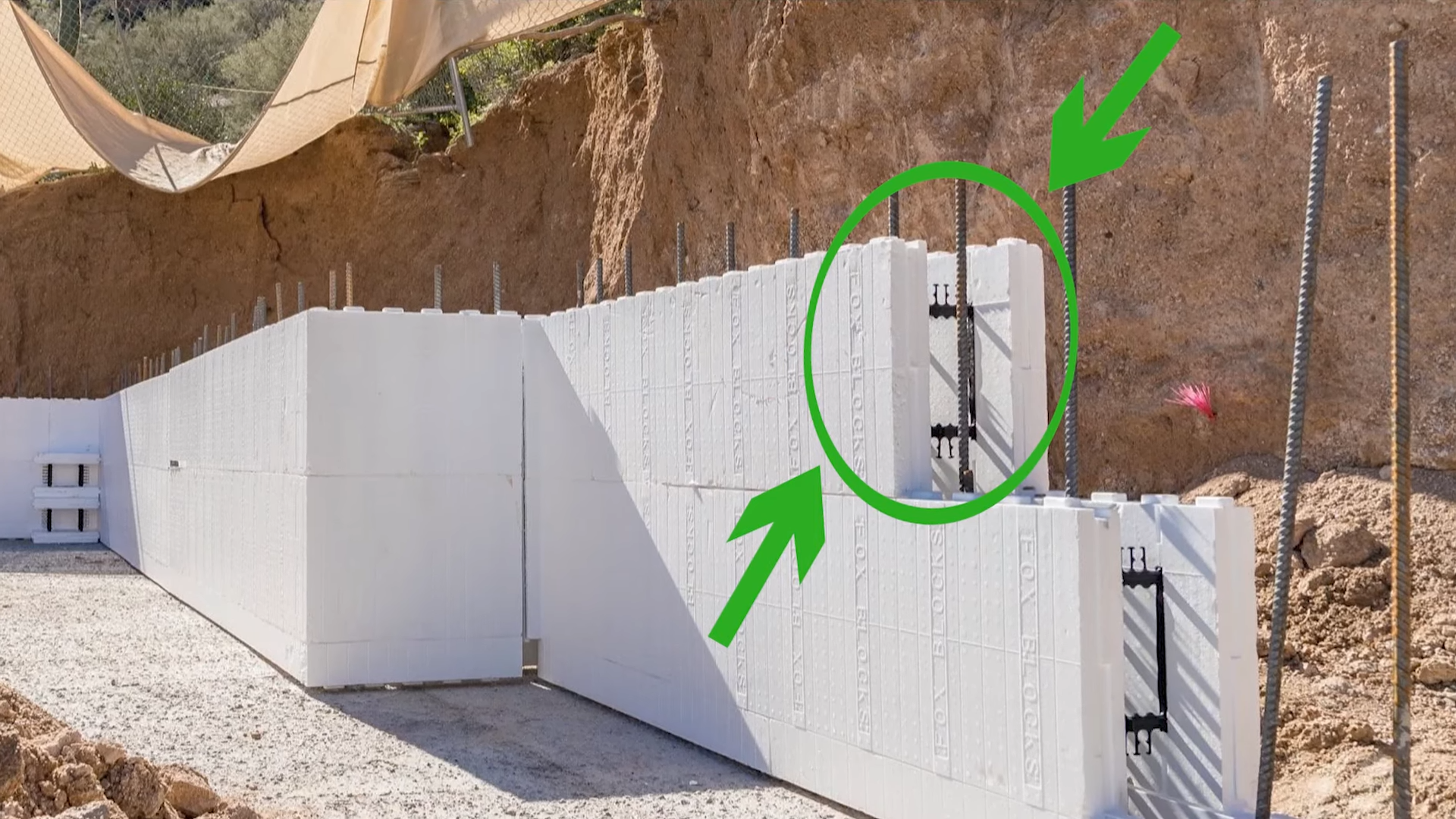
ICF walls close those gaps. Solid concrete cores and EPS foam create sealed surfaces that pests struggle to penetrate.
When paired with soil treatments and physical barriers, ICF becomes a powerful deterrent.
That said, drainage and landscaping still matter. If moisture collects around the base of your home, even foam can become a passageway. Good building practices make ICF work even harder.
Up next, we’ll cover why ICF isn’t entirely pest-proof, and how smart planning keeps your home protected.
Better Than Most Isn’t Bug-Proof, Here’s What You Still Need

ICF construction offers a clear advantage in pest resistance, especially compared to wood or CMU block. But no system is perfect.
Knowing where the limits are helps ensure your home stays protected in Florida’s high-risk climate.
What to Do If Bugs Still Show Up
EPS foam doesn’t attract pests, but it won’t stop them if there’s something they want, like exposed wood. Termites can tunnel through foam to reach untreated areas such as roof trusses or window framing.
They also exploit weak points like unsealed joints or damaged insulation. Some wood is still used in ICF homes.
If it’s not detailed and sealed properly, it becomes an easy target despite the strength of the surrounding wall system. Here’s how to reinforce your defenses:
- Apply soil treatments before pouring foundations
- Use termite shields to expose hidden tunneling activity
- Install waterproof membranes like Polyguard 650 TRM for added protection
- Choose treated EPS foam when available (borate-infused or similar)
- Leave inspection strips above grade for easier monitoring
- Schedule annual pest inspections regardless of wall type
In some Florida counties, inspectors may question ICF builds that lack these precautions. It’s not about the material, it’s about implementation.
In the next section, we’ll explore design moves that take this protection even further.
Helpful Resource → Is ICF Construction Worth It? Pros, Cons & Cost in 2025
Smart Design Choices That Keep Pests Out for Good
When it comes to pests, what you choose during design often matters more than what you react to later.
In Florida’s high-risk environment, details like roof materials, drainage, and even where you place your mulch can make or break your home’s defenses.
Build It Right from the Ground Up
Here are proven strategies Florida builders use to prevent bug problems before they start:
- Elevate mulch and soil lines away from foam to avoid hidden moisture
- Keep firewood and planters off exterior walls
- Use steel trusses or ICF roof systems to minimize wood use entirely
- Install an ERV (Energy Recovery Ventilator) to keep interior humidity low
- Leave a clear inspection gap where needed to spot tunneling early
These aren’t just pest strategies, they’re smart construction practices that boost overall resilience.
Don’t Let Pest Control Be an Afterthought
Choosing the right ICF brand matters.
Some offer foam with added insect resistance during manufacturing, like Logix, Nudura, and BuildBlock. Just as important is planning termite protection into the design from day one.
That includes membranes, treated foam, proper grading, and a clear maintenance plan, not just a quick fix later.
A well-built ICF home isn’t just harder for pests to invade. It’s built to last, through storms, heat, and years of Florida weather. And that strength starts with the details.
Build Smarter, Live Bug-Free

ICF construction isn’t just about energy savings or storm resistance, it’s also one of the smartest ways to defend your home against Florida’s persistent pest threats.
From the moment concrete is poured to the final design details, every layer matters.
Choosing ICF means eliminating the common vulnerabilities pests rely on, and when paired with good building practices, it can give homeowners long-term peace of mind.
Whether you’re planning a new build or replacing a structure that didn’t hold up, starting with the right system is key.
At Tri-Town Construction, we specialize in high-performance ICF homes built for Florida’s climate, resilient, efficient, and built to keep bugs out from day one.
