ICF vs Wood-Frame Costs in Florida: What to Expect

In Florida, ICF homes cost around $180–$220 per sq ft, while wood-frame homes run $160–$200. But ICF offers lower energy bills, fewer repairs, and more storm resistance, making it a stronger long-term value despite a higher upfront price. Build Smarter From the Ground Up: What You Need to Know Right Now Florida homeowners should look beyond just the upfront price. Wood-frame homes may seem cheaper, but often lead to higher energy bills, moisture damage, and more repairs. ICF homes cost more to build, but they’re stronger, better insulated, and easier to maintain over time. Quick facts to help you compare: ICF cost: $180–$220/sq ft (lower utilities, fewer repairs) Wood-frame cost: $160–$200/sq ft (higher upkeep over time) Utility savings with ICF: ~$1,500/year on a 2,500 sq ft home ICF benefits: Better insulation, storm resistance, quieter interiors Wood-frame risks: Termites, mold, weather delays, repair callbacks ICF isn’t always the obvious choice up front, but for many, it’s the one that holds up best year after year. And if you’re weighing both systems, there’s one hybrid approach gaining ground for all the right reasons… What’s the Real Price to Build with ICF vs Wood-Frame Today? Before choosing how to build your next home,

Can You Add On to a Modular Home? What to Know First

Adding onto a modular home is not only possible, it’s often faster, cleaner, and more cost-effective than traditional construction, if your existing home and lot are suited for it. How to Add Onto a Modular Home: The Essentials Expanding a modular home is not only possible, it’s often the most efficient way to gain space.  From in-law suites to second stories, factory-built additions install quickly and integrate cleanly with your existing structure. Here’s what matters most before you begin: Common additions: Bedrooms, bathrooms, in-law suites, garages, second stories Florida-friendly options: Lanais, elevated builds, hurricane-rated structures Build process: Factory-built modules, quick site prep, fast installation Typical cost range: $15,000 to $300,000 depending on size and complexity Timeline: Often completed in a few weeks once approved Limits to watch for: Structural issues, old mobile specs, zoning and HOA restrictions When to reconsider: If the foundation is weak or the home is already over-improved for its area A modular addition can extend the life, functionality, and value of your home, if the conditions are right. And if they’re not?  The guide ahead shows when it’s smarter to walk away, and what to do instead. Keep reading to weigh your options with clarity. What

Do You Need a Permit to Remodel a Mobile Home in Florida?

Mobile home remodels in Florida almost always require a permit if you’re touching anything structural, electrical, plumbing, HVAC, or exterior. Cosmetic work is usually fine, but always confirm with your local office. Do You Need a Permit to Remodel a Mobile Home in Florida? In Florida, permits are required for most mobile home remodels.  While it might seem like a hassle, the state treats these homes seriously due to wind zone risks, flood zones, and HUD oversight. Here’s what you must know: Permits are required for: Structural changes, HVAC swaps, rewiring, new plumbing, carports, sheds, roof-overs, window/door replacements, and any work in flood-prone areas. What doesn’t usually need one: Painting, flooring, cabinet swaps, light fixture changes (no new wiring), roof coatings, and identical replacements. What happens if you skip it: You could void your insurance, face fines, or run into appraisal issues when selling. Permits aren’t about red tape, they’re about safety, resale protection, and avoiding future problems. But if you’re still unsure where the line is or what your county might require, the details matter more than you think. That’s exactly what the rest of this guide will break down. Florida’s Dual Oversight: HUD vs. State Building Codes Unlike

Is ICF Construction Worth It? Pros, Cons & Cost in 2025

Insulated Concrete Forms (ICF) are hollow foam blocks filled with reinforced concrete that create walls with exceptional strength, energy efficiency, and durability. ICF Construction: What You Need to Know in 2025 Building with ICF isn’t just about stronger walls, it’s about smarter, more resilient homes.  It combines structure, insulation, and moisture control in one system that outperforms wood and block in the areas that matter most. Here’s what ICF brings to the table: Stronger than wood or CMU block High R-values and airtight construction Excellent in flood- and fire-prone areas Quieter interiors with better sound control Long-term savings on HVAC and maintenance Resistant to mold, pests, and structural shifting Ideal for modern, efficient, forever homes ICF homes last over 75 to 100 years, need less maintenance, and offer better comfort year-round.  While upfront costs are higher, the long-term benefits often outweigh them, especially in storm-prone regions like Southwest Florida. Keep reading to see where ICF truly shines, where it falls short, and if it’s right for your build. What Is ICF Construction and Why Is It Gaining Ground in 2025? ICF construction uses interlocking hollow foam blocks that are filled with steel-reinforced concrete. The blocks stay in place after the

ICF vs SIP: Choosing the Right System for Your Build

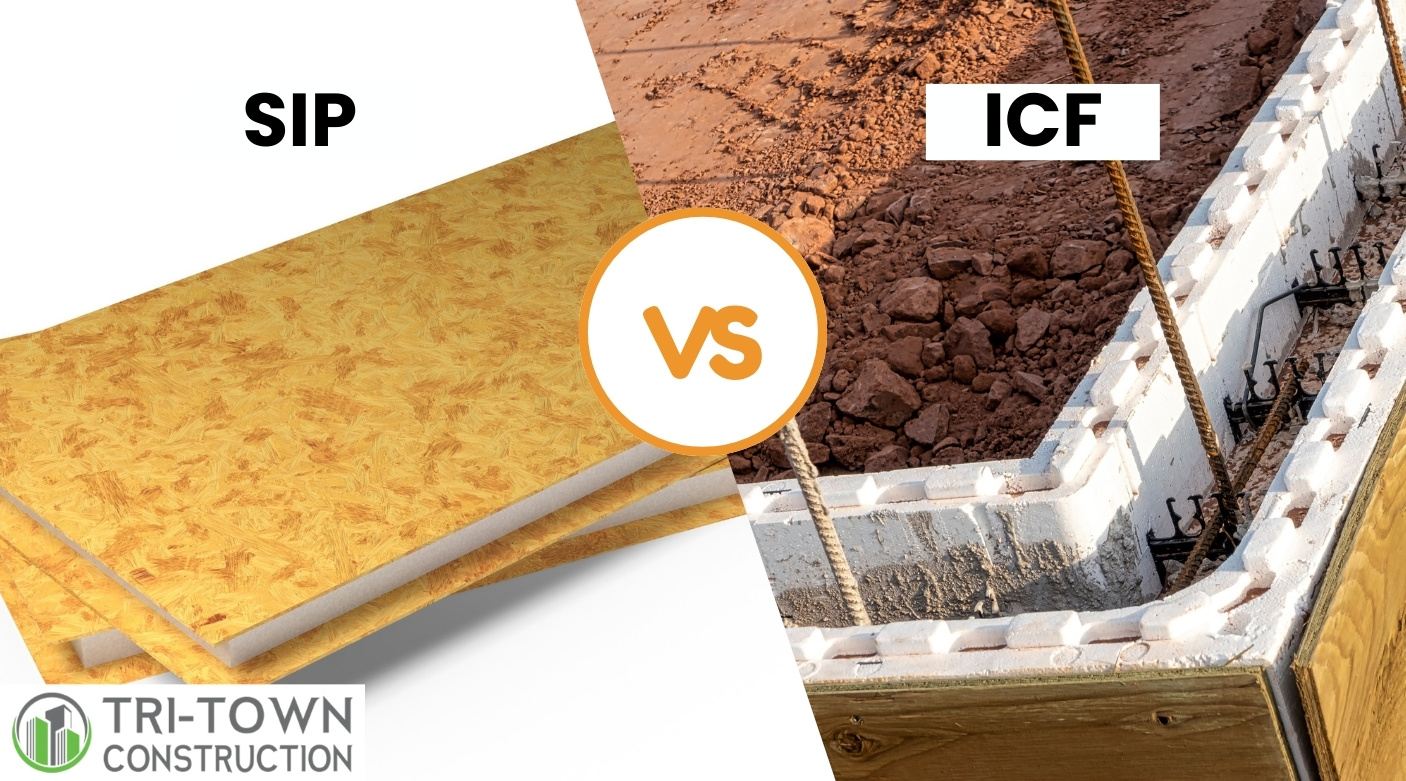
ICF construction delivers superior storm resistance, fire protection, and long-term durability, especially in hurricane-prone, humid regions like Southwest Florida. SIPs perform well in colder climates where speed and airtightness are key. SIP vs ICF: The Smarter Pick Depends on Where You’re Building Choosing between SIP and ICF comes down to climate and priorities. SIPs suit colder zones and tight timelines with efficient insulation and fast builds.  ICFs are ideal for hot, storm-prone areas, offering unmatched strength, moisture resistance, and long-term durability with minimal upkeep.: SIPs = Fast builds, tight envelopes, colder zones ICFs = Long-term durability, storm resistance, hot/humid climates SIPs need precision; ICFs need planning but offer more resilience SIPs save time up front; ICFs save costs long-term You’ll get the essentials right here, but if you’re building in a high-risk climate, the full breakdown ahead is worth reading. It might just change how you define a better-built home. Understanding SIP and ICF: The Building Blocks Behind the Buzz As energy codes tighten and more homeowners build for longevity, two wall systems are leading the conversation: Structural Insulated Panels (SIPs) and Insulated Concrete Forms (ICFs).  Both aim to outperform traditional framing in strength, efficiency, and comfort, just in very

Modular Home Investment Guide: Build Value the Right Way

Modular homes can be a solid investment, if they’re built to code, placed in the right location, and constructed with storm-resilient materials. When done right, they appreciate like site-built homes and offer faster returns with lower risk. Are Modular Homes a Good Investment? Start Here. Modular homes aren’t trailers. They’re code-compliant, factory-built, and rival traditional homes in strength and efficiency.  In Florida, their storm resistance and fast build times make them especially valuable, but smart investing still depends on location, quality, and planning. Here’s what makes a modular home worth your money: Built to local code and placed on a permanent foundation Located in well-zoned, high-demand areas Engineered with hurricane-rated windows, even ICF walls, and moisture protection Designed for energy efficiency and long-term savings Eligible for standard mortgages and insurance when built correctly Appraisal and resale potential on par with traditional homes, if perception and quality align Faster move-in or rental timelines (2–4 months typical build time) Long-term asset when paired with the right builder and planning Most problems arise when buyers cut corners or underestimate local regulations. Avoid that, and modular isn’t just affordable, it’s strategic. And if you want to know exactly how to evaluate modular homes the

Renovate or Sell As-Is? What Adds Real Value

Renovating before selling only pays off when upgrades match your market and add clear value. Cosmetic improvements often yield better returns than major remodels, and in many cases, selling as-is can be the smarter financial move. Should You Renovate Before Selling? Here’s What Actually Pays Off Renovating can seem like a smart way to boost value, but most major projects don’t pay off. Buyers focus more on layout, condition, and feel, costly upgrades often fall flat if they don’t fit the market. Here’s what typically adds the most value: Addressing obvious repairs (roof leaks, broken HVAC, mold) Budget-friendly updates like paint, landscaping, or lighting Avoiding high-end finishes in entry-level or mid-range homes Skipping unnecessary renovations in investor-heavy markets Sticking to the 30% rule when budgeting any renovation If you’re selling soon, the smartest approach is often strategic, not expensive. Whether you upgrade, refresh, or sell as-is, what matters most is how buyers see your home the moment they walk in. Knowing exactly what to fix, and what to leave alone, could save you thousands and speed up your sale. Let’s break it all down, step by step. Why Renovating Before Selling Doesn’t Always Pay Off Many sellers invest heavily expecting

Can You Use an FHA Loan for a Modular Home?

Modular homes qualify for FHA loans if they’re permanently installed, used as a primary residence, and meet local building codes. How to Buy a Modular Home with an FHA Loan, Without the Headaches Buying a modular home with an FHA loan is not only possible, it’s a smart move.  FHA loans offer low down payments and flexible credit rules, and modular homes that meet local codes and are permanently installed fully qualify. Here’s what matters most: The home must be classified as real estate, not personal property It must be your primary residence, not a vacation or rental The foundation must be permanent, certified, and code-compliant You’ll need a qualifying credit score, income stability, and manageable debt Title II loans are the go-to option for modular homes on owned land If you meet these criteria, FHA loans offer affordable, resilient homeownership, especially in storm-prone areas.  Success comes down to getting the details right from the start. And that’s exactly what this guide helps you do, walk through every step, avoid the common traps, and finish with confidence. What is an FHA Loan and How Does It Work An FHA loan is a type of mortgage that’s insured by the Federal

Florida Bathroom Remodel Permits: What Needs Approval

You need a permit in Florida for most bathroom remodels that involve plumbing, electrical, layout changes, or structural updates, even if the project seems minor. Common Bathroom Remodels That Typically Require a Permit Most projects that go beyond surface-level updates need approval,  and knowing where that line is can save you time, money, and stress. Here’s what usually needs a permit: • Plumbing changes like new toilets, sinks, or drains • Electrical updates including outlets, wiring, or fans • Layout or structural changes (walls, windows, expansions) • Mechanical upgrades like HVAC or water heater moves • High-end features like steam showers or heated flooring If your remodel affects anything behind the walls or involves licensed trades, assume permitting is part of the job. The rules can feel inconsistent, and that’s because they are. Not sure what counts or where to start? Keep reading, we’ll walk you through exactly what needs a permit, what doesn’t, and what happens if you get it wrong. Why Bathroom Permits in Florida Aren’t Just Bureaucracy Permits aren’t just paperwork. In Florida, they’re a key part of protecting your home. Even small remodels can impact plumbing, electrical, or structural systems, and that’s where permitting steps in.

Florida Modular Homes Guide: Cost, Build, Safety & More

Modular homes are prefabricated houses built off-site in factory-controlled environments and assembled on permanent foundations, meeting local building codes like any site-built home. In Florida, they typically cost $180–$300 per sq ft, with final builds averaging $360K–$600K. Modular Homes in Florida: What You Need to Know Now Modular homes are a fast-growing choice in Florida. Built in factory sections and assembled on-site, they meet local codes, qualify for traditional loans, and aren’t mobile or trailer homes. They’re permanent, high-quality residences. Here’s what makes modular homes stand out: Faster to build: Many are move-in ready in 3–6 months Storm-ready: Can be engineered for Category 4–5 hurricanes Energy efficient: Tighter seams mean lower utility bills Fully financeable: Eligible for standard mortgages and insurance Strong resale value: Appreciate similarly to site-built homes Quiet construction: Most work is done off-site If you want a home that’s faster, safer, and built to last in Florida’s climate, modular may be the right move. And if you’re wondering how the build process actually works, how much freedom you’ll have to customize, and whether it will really hold up in a storm, keep reading.  We’re about to break it all down. What Are Modular Homes? Modular homes are