
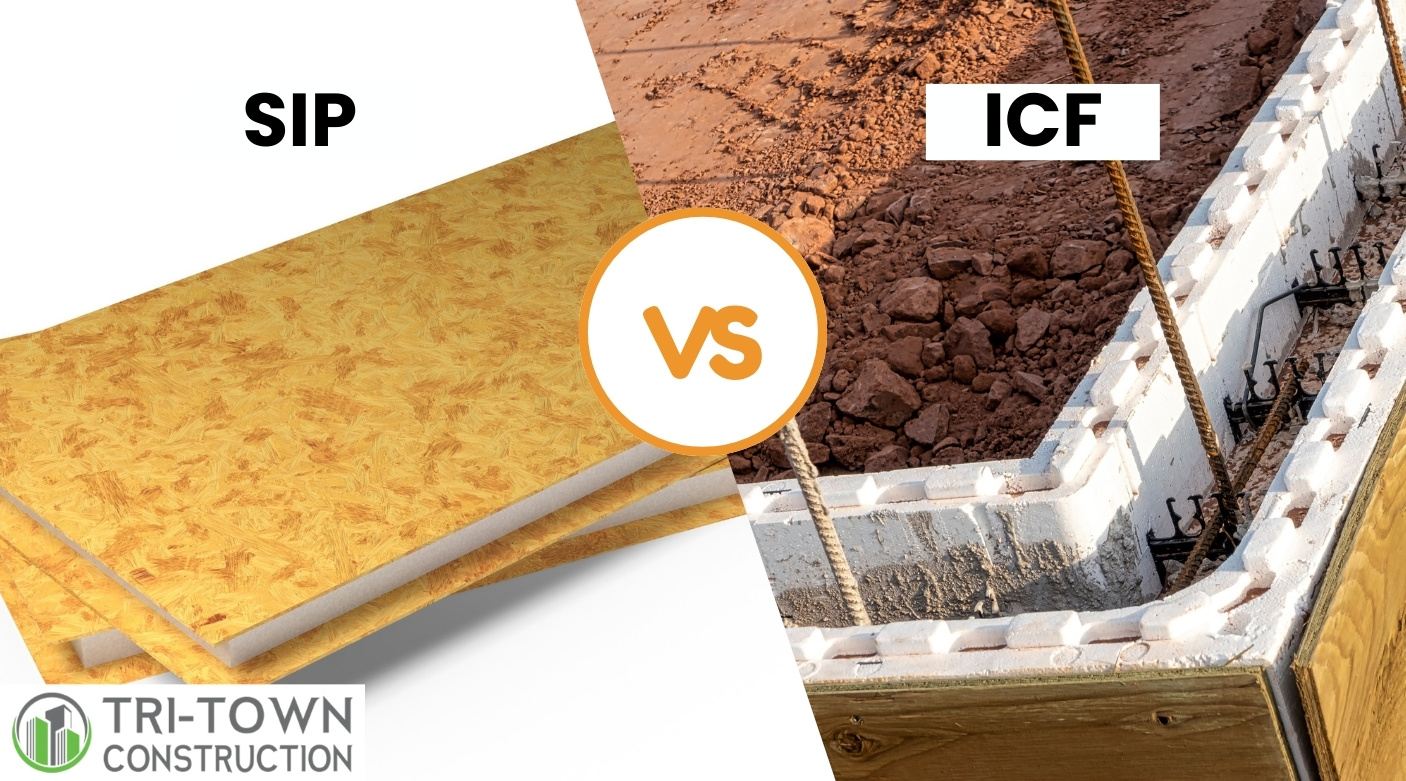
ICF vs SIP: Choosing the Right System for Your Build
ICF construction delivers superior storm resistance, fire protection, and long-term durability, especially in hurricane-prone, humid regions like Southwest Florida. SIPs perform well in colder climates where speed and airtightness are key. SIP vs ICF: The Smarter Pick Depends on Where You’re Building Choosing between SIP and ICF comes down to climate and priorities. SIPs suit colder zones and tight timelines with efficient insulation and fast builds. ICFs are ideal for hot, storm-prone areas, offering unmatched strength, moisture resistance, and long-term durability with minimal upkeep.: SIPs = Fast builds, tight envelopes, colder zones ICFs = Long-term durability, storm resistance, hot/humid climates SIPs need precision; ICFs need planning but offer more resilience SIPs save time up front; ICFs save costs long-term You’ll get the essentials right here, but if you’re building in a high-risk climate, the full breakdown ahead is worth reading. It might just change how you define a better-built home. Understanding SIP and ICF: The Building Blocks Behind the Buzz As energy codes tighten and more homeowners build for longevity, two wall systems are leading the conversation: Structural Insulated Panels (SIPs) and Insulated Concrete Forms (ICFs). Both aim to outperform traditional framing in strength, efficiency, and comfort, just in very