Florida 50% Rule Explained: What Triggers a Full Rebuild

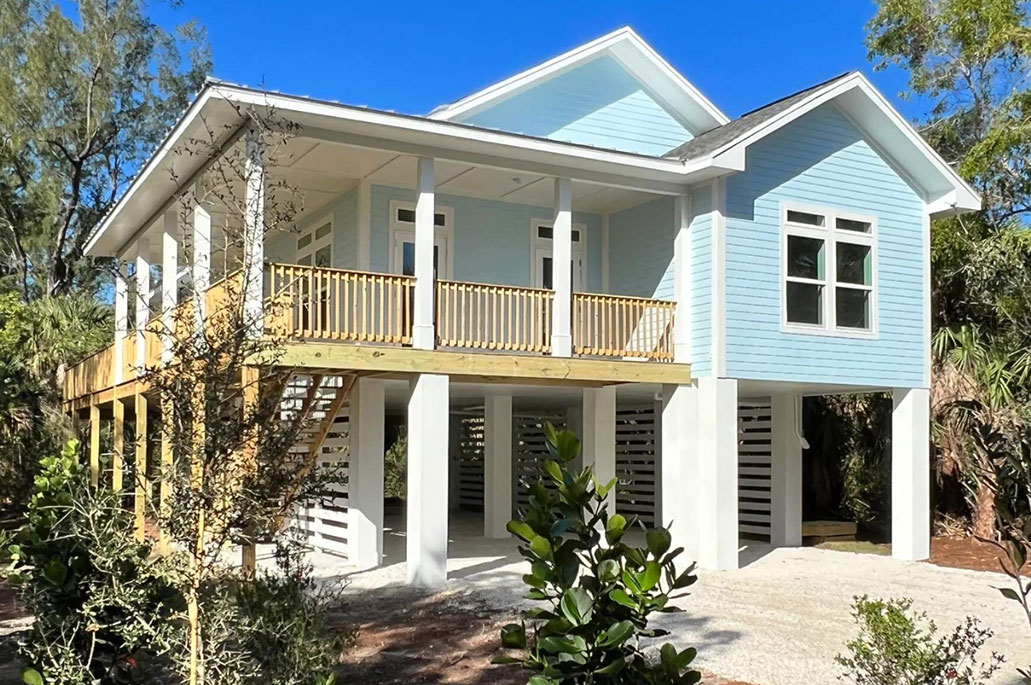
Florida’s 50% Rule requires that if repair or renovation costs exceed 50% of a structure’s market value (excluding land), the entire home must be brought up to current flood and building code standards, including elevation. What You Need to Know Before You Build, Fix, or Remodel Florida’s 50% Rule applies to any major renovation in a flood zone. If your project costs exceed 50% of your home’s value, you may be required to elevate or fully rebuild. Here’s what it means at a glance: The rule applies in FEMA-designated flood zones (Zones A, AE, V). It’s triggered when work exceeds 50% of the building’s market value (not including land). Once triggered, full compliance with today’s Florida Building Code is mandatory. Elevation to Base Flood Elevation (BFE) is often required. Voluntary renovations count Costs are cumulative over 12 months, even across separate permits. Local building departments make the final call. If your home sits below current elevation standards, or you’re planning significant work, knowing this rule upfront could save you from unexpected costs, delays, or even demolition. And if you want to learn how to work around, plan smart, and future-proof your investment, you’ll want to keep reading. The 50% Rule,
Home Addition Costs in Florida (2025)

In Florida, the cost of a home addition is shaped by storm codes, permits, and how well your existing systems can support the upgrade. Most additions range from $175 to $450 per square foot, with major variables hiding in structure and site conditions. Florida Home Addition Costs: What Really Drives the Price Whether it’s a bedroom, second story, or garage conversion, home additions in Florida typically range from $60,000 to over $225,000. Here’s what you need to know upfront: Kitchens and bathrooms cost the most due to plumbing and electrical complexity Second stories involve structural reinforcement and roofing, expect top-tier costs Permits, flood zones, and hurricane codes make Florida more expensive than most states HVAC, septic, and panel upgrades are often non-negotiable Material choices and design complexity can double your budget if not managed early Labor is 50–60% of your total cost, quality crews aren’t cheap, especially post-storm For real cost clarity, not vague national averages, this guide helps you budget wisely and avoid costly mistakes. Why does one addition cost $90K and another double? This guide breaks it down, room by room, decision by decision. What Exactly Is a Home Addition in Florida? When your current home layout no

Luxury Home Building Costs in Florida (2025 Guide)

The cost to build a luxury home in Florida typically ranges from $400 to $800+ per square foot, with ultra-custom builds exceeding $1,000 per square foot depending on location, features, and materials. Florida Luxury Home Costs: What You’re Really Paying For Building a luxury home in Florida is about location, design, and quality.  Coastal areas like Naples or Palm Beach cost more due to stricter codes, premium finishes, and higher land values. Here’s what that really looks like: Base construction only: $150–$280 per sq ft Luxury finishes and features: $400–$800+ per sq ft Ultra-custom builds: Can top $1,000 per sq ft Coastal insurance premiums: $10,000–$25,000+ per year Outdoor kitchens, pools, and automation: $30K–$150K+ each Lot in a flood zone: Add $20K–$50K+ in structural upgrades Small design changes mid-build can quickly derail your budget.  And if you want to avoid those costly surprises and truly understand what drives luxury pricing in Florida… the details below will make all the difference. Why Florida’s Luxury Home Costs Can Swing Wildly Luxury home costs in Florida vary widely based on location, design, and timing, making quotes feel all over the place.  Here’s what really drives those numbers. 1. Square Foot Costs at a Glance

Florida Home Renovation Costs 2025 | Full Breakdown

Florida home renovations in 2025 cost between $50 and $250 per square foot, depending on whether you’re doing cosmetic updates or full structural work. Florida Renovation Costs: What to Expect Renovating in Florida means more than picking finishes, it’s about navigating one of the country’s trickiest housing markets.  From storm-resilient upgrades to fluctuating labor costs, here’s what you need to know before committing to that remodel or rebuild. Florida Renovation Costs: Quick Breakdown Cosmetic Refresh: $50–$100/sq ft Mid-Range Remodel: $100–$175/sq ft High-End Overhaul: $200–$250+/sq ft Additions: $165–$400/sq ft Single Room Remodels: $5,000–$80,000+ Don’t forget the hidden costs, permits, insurance gaps, FEMA rules, and HOA delays all shape your final bill.  And if your renovation hits 50% of your home’s value, you may need to meet full building code and elevation rules. This guide breaks down every cost factor, from real per-room estimates to the red flags that quietly blow up your budget.  Stick around and we’ll show you how to get the most value without cutting corners. What Counts as a Home Renovation in Florida? In Florida, home renovation or remodeling can range from swapping out cabinets to rebuilding entire sections after a storm. Some projects are purely cosmetic; others

How to Build a Beach House That Lasts

Building a house near the beach means using elevated foundations, salt-resistant materials, and storm-hardened design. Every decision, from layout to hardware, must account for wind, water, and code compliance in flood zones to ensure your home lasts. Start Smart: What Every Beach House Needs to Last Building near the ocean isn’t just about style, it’s about survival. Salt, storms, and shifting soils demand smart engineering, tough materials, and precise planning from the ground up. Here’s what every coastal build must include: Elevated foundations using pilings or piers Framing that won’t warp, steel over traditional timber ICF or reinforced walls for storm and moisture resistance Exteriors that fight salt: fiber cement siding, coated metal roofing Impact-rated windows and waterproof seals at all entry points Smart placement and permitting aligned with FEMA flood zones A builder who understands local codes, storm patterns, and recovery realities Why Beach Homes Take a Beating ,  and How to Plan for It Building near the coast is about resilience.  Oceanfront homes are exposed to a unique set of environmental forces that require a smarter, more durable approach to construction. 1. The Elements Don’t Quit, So Your Home Can’t Either Salt air, humidity, UV exposure, and powerful

Florida Remodeling License Requirements Explained

Florida contractors must be licensed for remodeling work involving structure, plumbing, electrical, HVAC, or any significant alteration. Projects like full kitchen or bathroom remodels, wall removals, and major system updates legally require state-certified professionals. Florida Remodeling Laws: What You Must Know First Florida law requires licensed contractors for most remodels, including jobs that involve plumbing, electrical, wall removal, or structural changes, even if the work seems cosmetic. Here’s what you need to know: Kitchen or bath remodels need licensed pros Structural changes like wall removals, even non-load-bearing, often require permits Plumbing, HVAC, electrical work must be done by licensed specialists Handyman tasks may be exempt, but many counties still enforce local license rules Homeowners can do their own work under strict owner-builder exemptions, but face serious liabilities if rules aren’t followed Choosing the right license is about protecting your investment, your property, and your peace of mind. Keep reading to learn what license covers your remodel, how to get one, what it costs, and how to avoid the legal pitfalls that trip up even experienced builders. Why Remodeling in Florida Is a Legal Minefield (And How to Avoid Trouble) Remodeling in Florida comes with more legal strings than most homeowners

Do Modular Homes Appreciate? Florida Value Guide (2025)

Modular homes, when built to code, placed on owned land, and well-maintained, don’t decrease in value, they often appreciate like traditional homes, offering equity growth, standard financing, and long-term resale potential. Do Modular Homes Decrease in Value? While often confused with mobile homes, modular homes are legally classified as real property. That means they qualify for conventional loans, standard insurance, and, importantly, they can gain equity over time. Whether or not they appreciate depends on the same factors that affect any home: Location: Desirable schools, low crime, and strong job markets = stronger resale. Land ownership: Homes on owned lots perform far better than those on leased land. Build quality and design: Energy efficiency, smart layouts, and curb appeal all raise value. Durability: Modern modulars can last 60–100+ years with proper care. Appraisal reality: Modular ≠ mobile. They’re appraised like site-built homes. Perception shift: As modular construction goes mainstream, resale interest keeps rising. The myth that modular homes automatically lose value is outdated. With the right planning, these homes can be long-term investments, built fast, built smart, and built to grow in value. If you want to understand how to make sure your modular home holds and grows its worth,

Florida Hurricane Insurance: What’s Covered & What’s Not

Florida insurance does not automatically cover hurricanes. Wind damage is usually included in homeowners policies, but flood damage and temporary housing (ALE) require separate coverage. Without all three, your protection is incomplete when a storm hits. What Every Florida Homeowner Needs to Know  Hurricanes expose insurance gaps. Most Floridians think they’re covered, but only realize the fine print after the storm. Here’s what matters most: Wind damage is covered under most homeowners policies, but expect high deductibles and limits based on roof condition. Flooding from storm surge or rising water is not covered unless you have separate flood insurance (NFIP or private). Additional Living Expenses (ALE) helps with temporary housing, but it’s not always included by default. Mortgage lenders usually require wind insurance, but not flood, leaving many coastal homes underinsured. You can’t buy or upgrade coverage once a storm is named, insurance moratoriums freeze all changes. FEMA is not a fallback, assistance is limited, delayed, and doesn’t replace full coverage. If your coverage isn’t aligned across all three fronts, you could be paying tens of thousands out of pocket, even with insurance in place. Understanding the basics is one thing.  But if you want to avoid claims denied, policies

How Much Does It Cost to Build a 3-Bedroom House in Florida?

The cost to build a 3-bedroom house in Florida typically ranges from $350,000 to over $850,000, depending on location, building material, stormproofing requirements, and finish quality. Inland wood-frame homes are the most affordable, while coastal ICF builds offer maximum protection and cost. But what does that really look like in 2025? Here’s a quick breakdown to help you benchmark your budget before diving into the details: How Much Does It Cost to Build a 3-Bedroom House in Florida (2025)? Entry-Level Build: $350K–$450K  Basic finishes, wood frame, inland location Mid-Range Build: $450K–$600K Concrete block or modular, coastal code compliance, moderate upgrades High-End Build: $600K–$850K+ ICF or steel, luxury finishes, coastal lot, stormproof features Land Costs: Inland: $40K–$150K | Coastal: $300K–$900K+ Key Cost Drivers: Impact-rated windows: +$20K–$30K Elevated foundation (flood zones): +$20K–$80K Permits & engineering: +$10K–$20K Custom features (pools, lanais, etc.): varies widely Bottom Line: Your total cost depends on material, location, and storm-readiness. Inland wood builds are cheapest. Coastal ICF homes cost more, but deliver peace of mind. Now let’s break down exactly where your money goes, from fixed permit costs to material tradeoffs, so you can build smarter and avoid the budget busters that trip up most Florida homeowners. Average