Can You Build Your Own Home In Florida? | Laws & Strategy

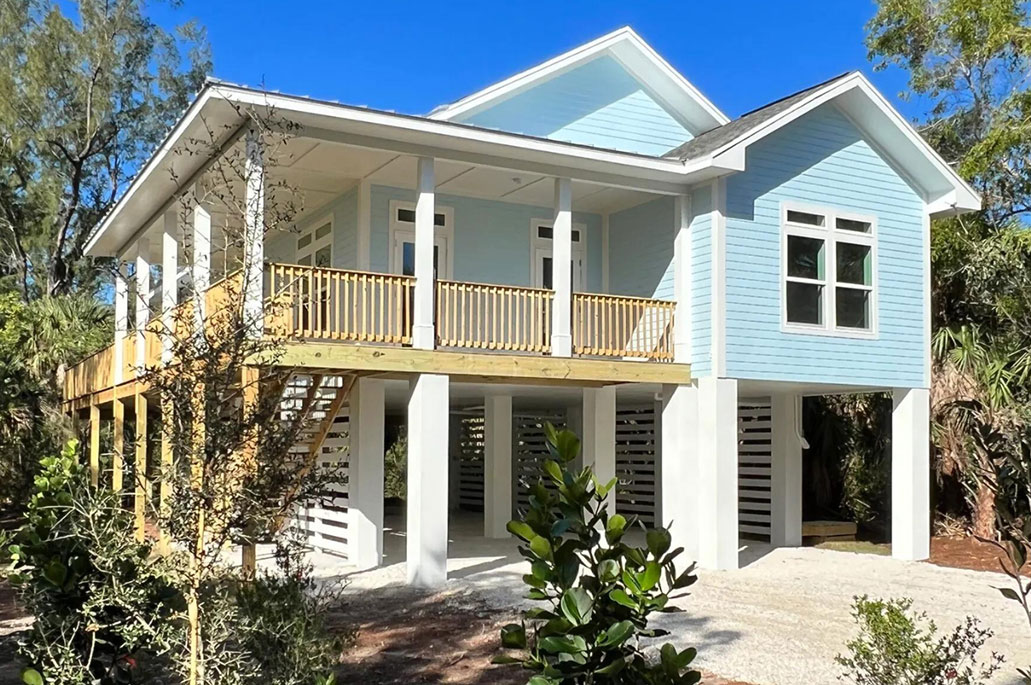
Yes, you can build your own house in Florida if it’s your primary residence and you follow local zoning laws, permitting requirements, and building codes. However, you’ll be fully responsible for compliance, inspections, and managing the entire construction process. Florida law allows individuals to construct their own homes, even acting as their own general contractor in many cases. But that doesn’t mean it’s simple, or always the best path forward. Between navigating local zoning codes, pulling the right permits, choosing storm-resistant materials, and coordinating inspections, building your own home in Florida comes with serious responsibility and risk. That’s not to say it can’t be done.  If you have time, patience, and a deep understanding of the building process, it’s a rewarding experience. But before you start clearing land or designing floorplans, there are key steps, and potential roadblocks, you need to understand. This guide will walk you through the full picture. Let’s break it all down, so you can move forward with confidence. Is It Legal to Build Your Own House in Florida? Yes, it’s legal to build your own home in Florida, thanks to the state’s owner-builder exemption.  This allows you to act as your own general contractor, pulling
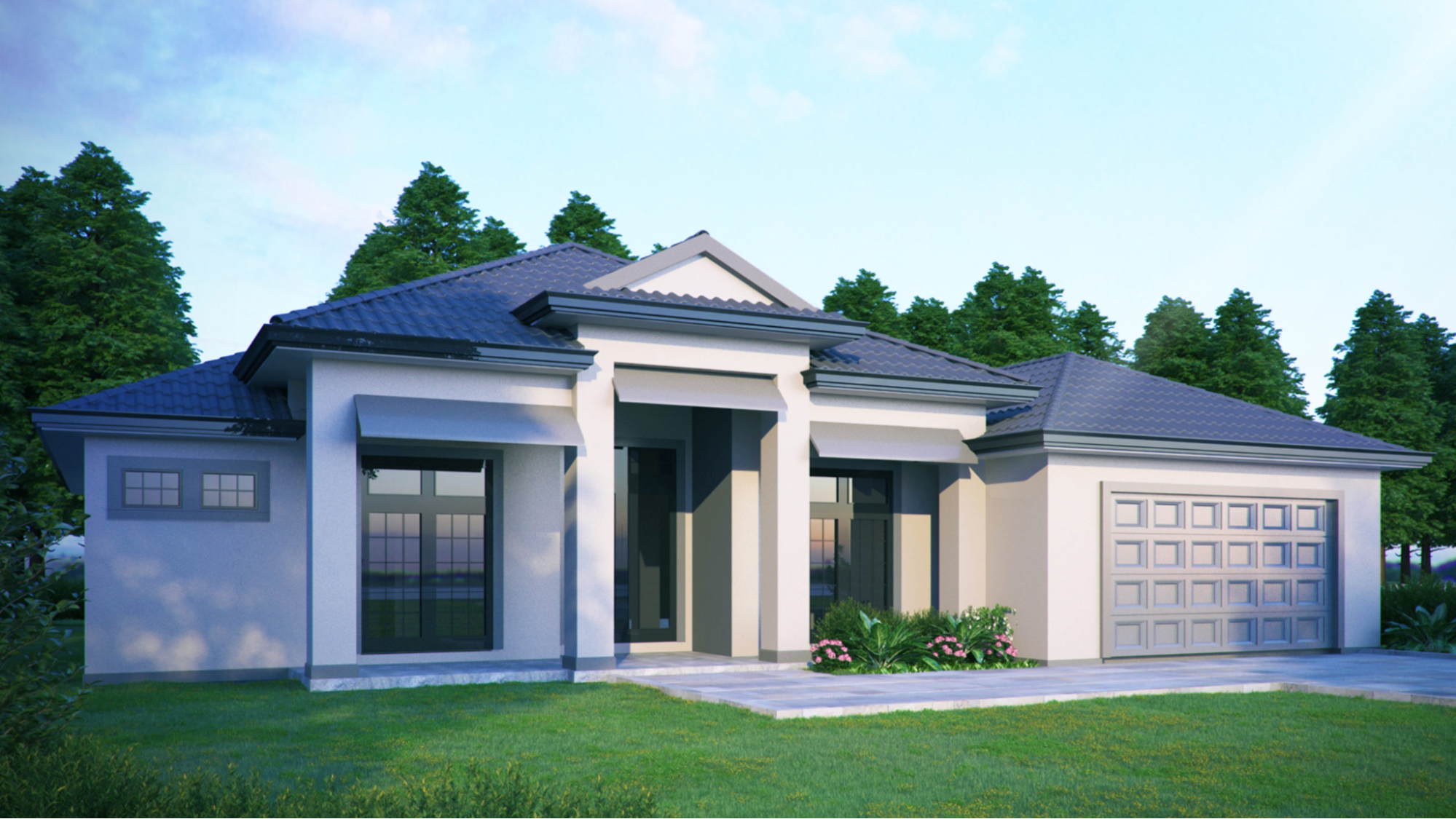
What Does It Cost to Build a Block House in Florida? [2025]

Short Answer: In 2025, building a concrete block house in Florida costs between $200–$400 per sq ft. Pricing varies by location, design, and materials. While upfront costs are higher than wood, block homes offer better storm resistance, lower maintenance, and long-term value for Florida’s climate. If you’re building in Florida, concrete block homes offer unmatched durability, storm resistance, and long-term savings. They’re pricier up front, but for safety, value, and peace of mind, they’re worth every dollar. Here’s everything you need to know before you build. If you’re exploring the idea of building a home in Florida, concrete block construction is likely on your radar, and for good reason.  Block construction is one of the most reliable building methods in coastal and high-humidity regions like Florida. But how much does it actually cost? In 2025, the average cost to build a block house in Florida typically falls between $200 and $400 per square foot, depending on location, materials, design complexity, and the type of block system used.  It’s a significant investment, one that raises important questions: Why does pricing vary so much? Is block more expensive than wood or modular? What adds the most to your total cost? Is building

Building a Coastal Home in Florida: Everything You Need to Know Before You Start

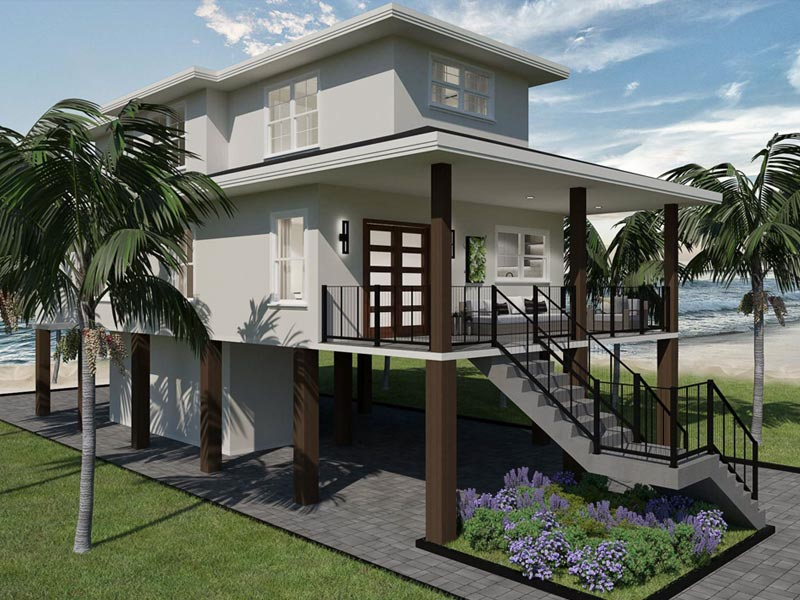
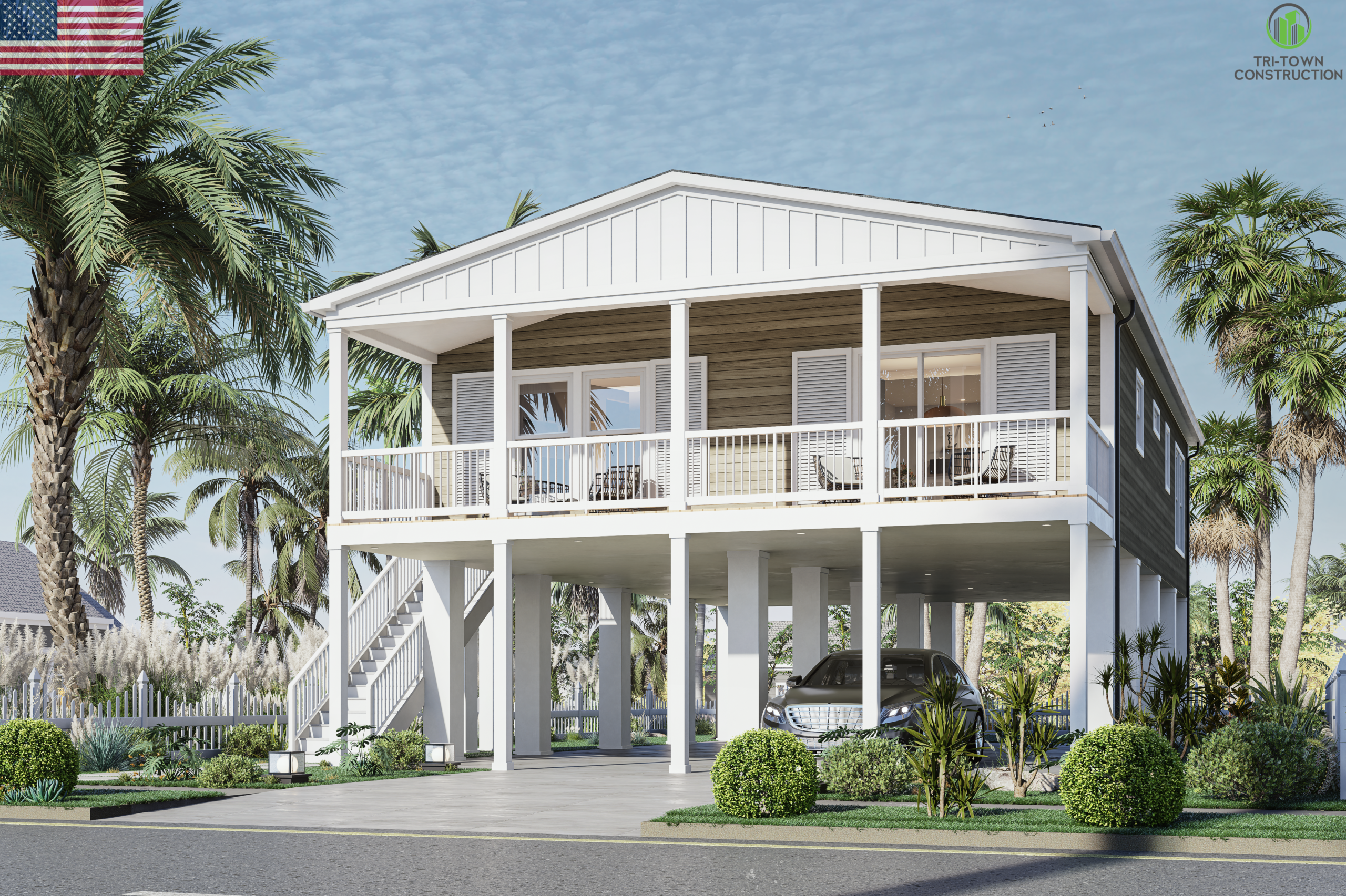
The best way to build a coastal home in Florida is by choosing an elevated lot, using hurricane-resistant materials like ICF walls and metal or tile roofing, and designing with wind, flood, and salt exposure in mind, all while meeting Florida’s strict coastal building codes. Building a home on Florida’s coast is a dream for many, and for good reason.  There’s nothing quite like waking up to Gulf breezes, coastal views, and the sound of the water nearby.  But behind every beautiful coastal home is a series of smart decisions made well before the first shovel hits the ground. Whether you’re building your forever home, a vacation retreat, or rebuilding after a storm, the goal should be to build smarter, build stronger, and build for the future. This guide covers everything you need to know before starting construction on a coastal home in Florida. From foundations and flood zones to roofing and stormwater systems, this is your roadmap to building a home that not only looks great but lasts. Let’s walk through it, step by step, so you can feel confident in every decision you make. Step-by-Step Overview: From Lot Selection to Final Build In this section, we’ll walk you

11 Problems with ICF Homes in Florida And Potential Fixes

While ICF homes offer unbeatable storm resistance, building with insulated concrete forms in Florida comes with real challenges, from overstated insulation claims to waterproofing worries.  Building a strong home isn’t just about surviving the next hurricane, it’s about building smart from the ground up. Insulated Concrete Forms (ICF) are becoming a go-to option for people who want serious storm protection, energy savings, and peace of mind. And truthfully? ICF can deliver all that, and more However, like anything else in construction, it comes with tradeoffs. If you’re thinking about using ICF for your Florida home, it’s crucial you understand the hidden problems, the kind that could hit your wallet, your timeline, or even your comfort once you move in.  Stick till the end.  We’re going to walk you through the real challenges we see here in Florida when it comes to ICF homes and possible solutions for them. Let’s dive in. The 11 Most Common Problems with ICF Homes in Florida If you’re seriously considering ICF, you need to go in with eyes wide open.  So let’s break down the most common problems people face when building or living in an ICF home in Florida, and what you can do

Can a Modular Home Survive a Hurricane?

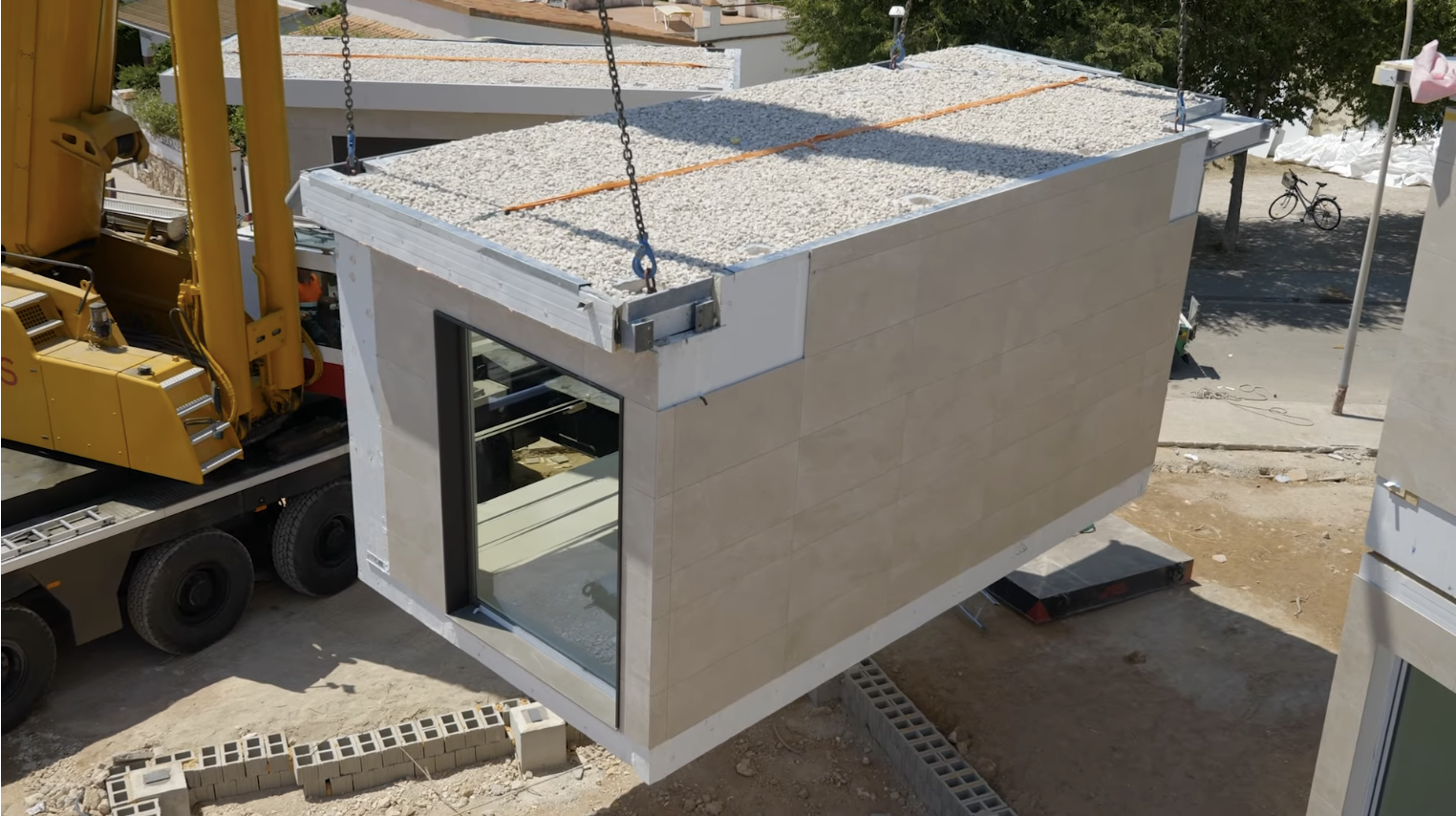
Yes, a modular home can survive a hurricane if it’s built to Florida Building Code standards. Strong anchoring, reinforced structures, and expert craftsmanship make modern modular homes a safe, smart choice for weathering Florida’s toughest storms. If you’re considering a modular home, you’re probably excited about the possibilities, but also wondering: Can it really hold up to a Florida hurricane?  After seeing the destruction left behind by storms like Charley and Ian, that’s a smart question to ask.  You deserve real answers, not sugar-coated sales talk. Here’s the truth: If your modular home is built to today’s Florida Building Code (FBC), it absolutely can survive a hurricane.  But to clear all your concerns, we’ve prepared this guide that walks you through everything you need to know about modular home safety: How modular homes are built to resist storms. The real difference between modular and manufactured homes What to look for in a truly storm-ready modular home Common fears (and what you really need to worry about) By the end, you’ll know exactly what it takes to have a modular home that’s battle-tested for Florida living.  Let’s get started with understanding why there are so many concerns around modular homes. Why

Wood-Frame Houses In Florida | Benefit, Risk & Comparison

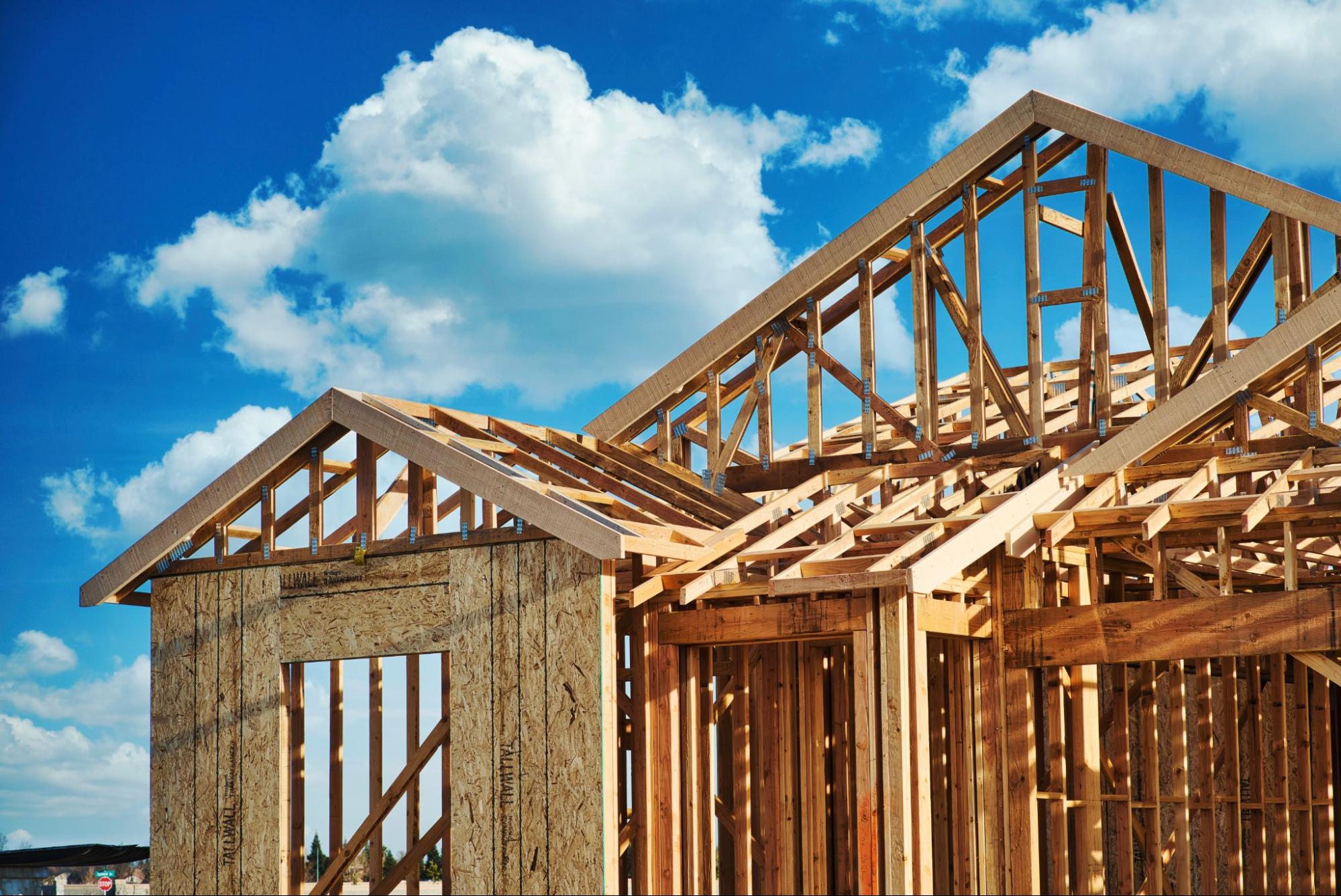
Quick answer: Wood frame houses are not inherently bad in Florida, but they come with unique considerations you need to understand. Thanks to strict building codes (especially after 2002), modern wood frame homes can withstand hurricane-force winds, intense heat, and Florida’s notorious humidity when properly built and maintained. When you’re thinking about buying or building in Florida, one of the first choices you’ll face is what type of structure you want: wood frame, concrete block, or ICF (Insulated Concrete Form).  Each option has its strength but people are often attracted to wood because of several reasons. Lower Upfront Cost: Typically cheaper to build than concrete or ICF homes. Easy to Remodel: Wood is easier to cut, move, and modify later. Better Insulation: Naturally more energy-efficient than concrete. More Design Flexibility: Supports open layouts and unique Florida styles like Vernacular and coastal cottages. Full of Character: Ideal for homeowners who want charm, warmth, and personalization. But, there are some realities you need to plan for. Wood homes can demand more maintenance.  However, there are some other factors which make people ambiguous of the choice such as wood strength in the winds, maintenance, termites, etc.  Some concerns are valid but some of

Can You Build With ICF in Florida? Storms, Efficiency & Price

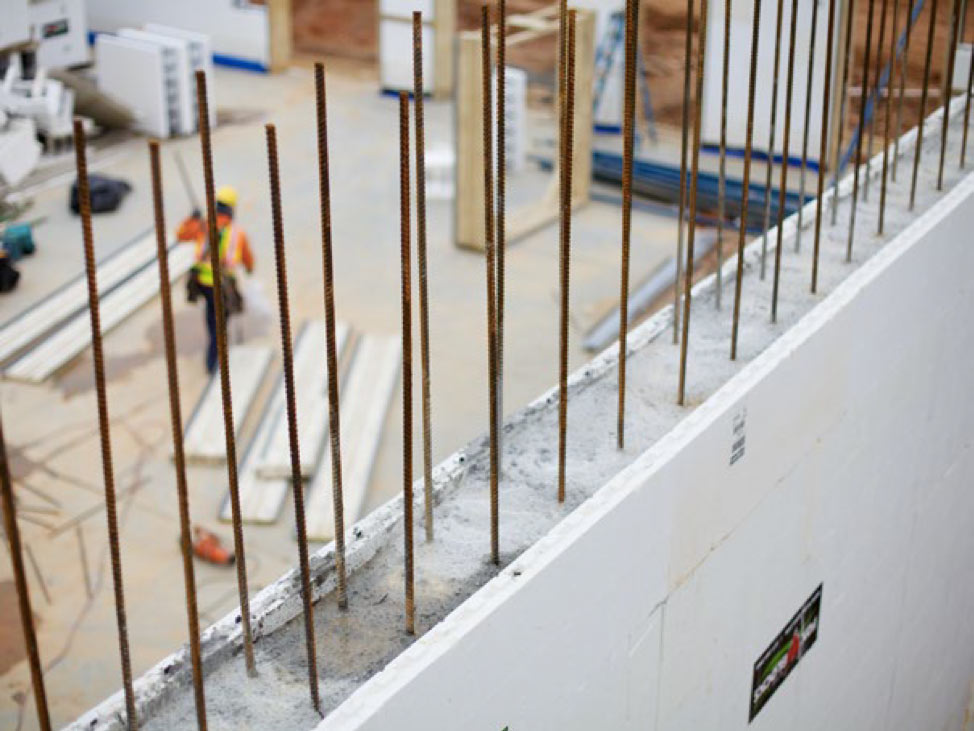
Quick Answer: Yes, you absolutely can build with ICF in Florida, and it’s one of the smartest choices you can make for a hurricane-resilient, energy-efficient, and long-lasting home. ICF homes meet Florida’s strict codes, offer insurance perks, and are ideal for our storm-prone climate. If you’re wondering whether you can build an ICF home in Florida, the answer is a resounding yes. It can actually be the smartest way to go.  Between the hurricanes, the humidity, the termites, and the rising cost of utilities, traditional wood-frame homes just don’t cut it anymore. ICF offers a future-proof solution: stronger, safer, and way more efficient. So, here’s a guide that confirms that you can build with ICF in Florida and why it can actually be a solid move.  Let’s dive in, and if you’re serious about building a home that truly stands the test of time here in Southwest Florida, you’re in the right place. What Is ICF Construction and Why It’s Gaining Ground in Florida? Think of ICF like building with giant Lego blocks, but way stronger.  These blocks are made of tough, insulating foam, and once they’re stacked into the shape of your walls, we fill them with steel-reinforced concrete. 

Florida Kitchen Remodel Ideas | Inspiration, Trends & Tips

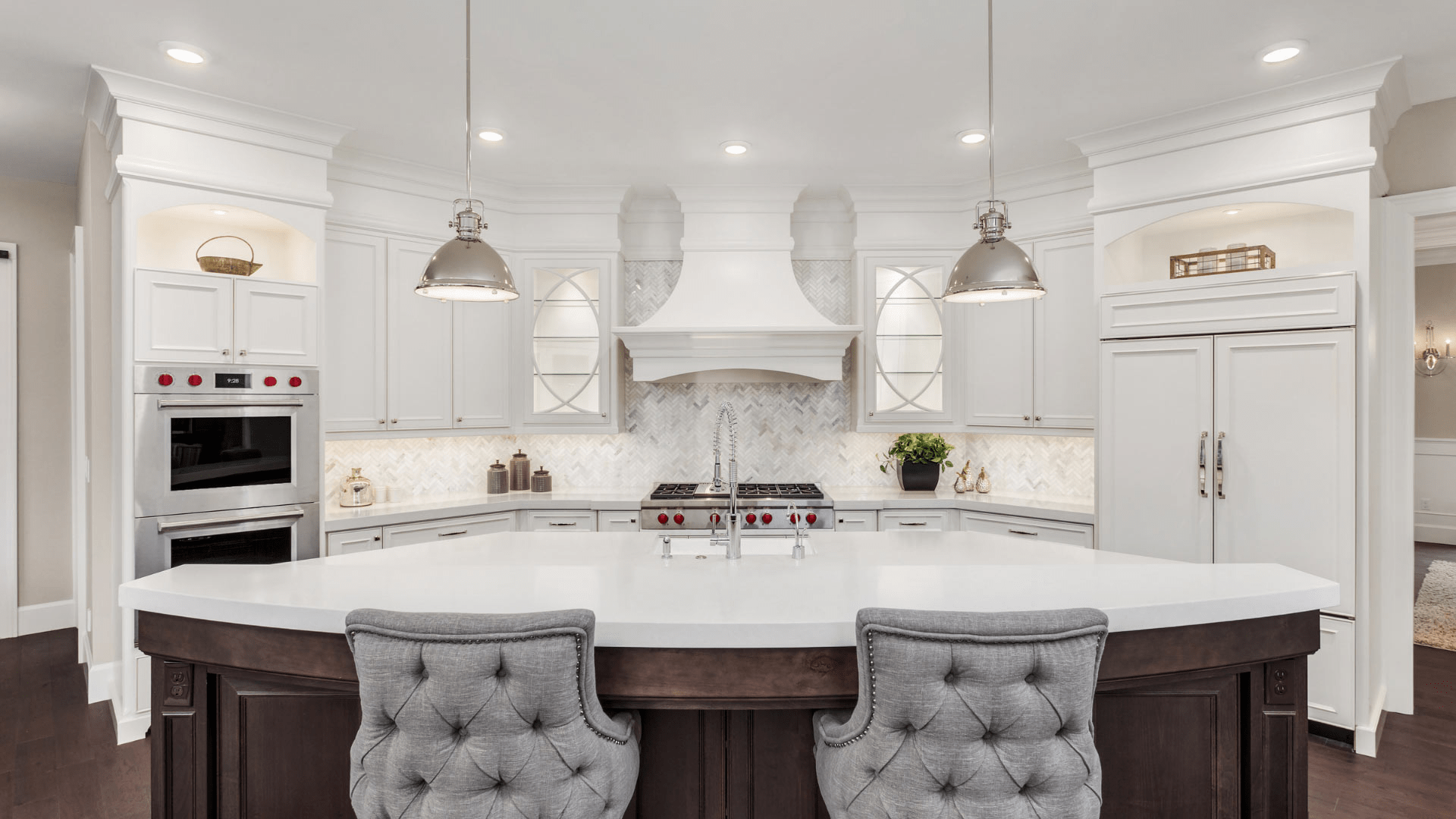
Thinking about remodeling your Florida kitchen? You’re in the right place. Whether you’re upgrading after years of wear, customizing your forever home, or just itching for a fresh new vibe, a kitchen remodel is one of the most rewarding projects you can take on. In this guide, we’ll share the best Florida kitchen remodel ideas, latest trends, smart budgeting tips, and pro insights to help you design a kitchen that’s built to last, and built with heart.  We’ll also walk you through some common remodeling mistakes to avoid.  From costly plumbing relocations that weren’t needed to cabinets that looked great online but didn’t survive their first storm season.  So, let’s get into it right away and explore more about kitchen remodeling. Florida Kitchen Color Schemes and Design Trends to Inspire You When it comes to designing a Florida kitchen, you want something that’s built to last, not just a quick trend.  Here are some awesome ideas to consider for kitchen remodeling: 1. Soft, Airy Neutrals You can never go wrong with coastal neutrals.  Soft whites, sandy beiges, and watery blues open up a kitchen and make it feel bright, relaxed, and connected to the beachside atmosphere. These timeless colors reflect

Can You Build a House on Agricultural Zoned Land in Florida?

If you’ve been dreaming about building your forever home on a wide-open piece of Florida land. As someone who’s spent years helping families rebuild stronger and smarter after storms, I can tell you: building on agricultural land is absolutely possible, if you do it the right way. In Florida, agricultural zoning is meant to protect farmland and rural heritage, not shut the door on people who want to live closer to the land. This protection comes with some rules you need to know. For example: From understanding Florida’s Greenbelt Law Learning how different counties treat zoning and building permits Etc. There’s a step-by-step process you have to follow to stay legally compliant, and protect your investment for the long haul. If you’re in the process of buying land, or already own agricultural property, this guide will walk you through everything you need to know, so you can move forward with confidence. Let’s dig in. Understanding Agricultural Zoning in Florida When most people hear “agricultural zoning,” they immediately think “no houses allowed.” But that’s not exactly true. Agricultural zoning is really about preserving farmland and ensuring that any new uses, whether it’s a barn, greenhouse, or even a house, support the