Buying a Prefab Home Guide - 5 Hidden Costs & Pros and Cons of Prefab & Modular Homes

Buying a Prefab Home Guide: 5 Hidden Costs & Pros and Cons of Prefab Houses & Modular Homes

Prefab homes are gaining serious traction as a quicker, more affordable alternative to traditional construction. The idea of a factory-built structure with a low base price is highly appealing. But here’s the catch: that low base price is rarely the full story. While the factory-built structure may start at $90,000 or less, the actual final cost to make it livable can easily double once you account for land, permits, site prep, utility hookups, foundation work, and required upgrades. Many buyers don’t realize this until they’re deep into the process. Hence, we made this guide. This guide will help you understand the true cost of prefab homeownership and five common hidden costs to be careful about. Because buying a prefab home shouldn’t feel like a guessing game; it should feel like a smart investment in building prefab. Defining Prefab: Modular Home vs. Manufactured Home Before diving into the costs, it’s vital to understand the different types of prefabricated homes, as their classifications heavily impact financing, codes, and long-term value. What Counts as a Prefab Home? A prefab home is simply a structure built in a factory and transported to the site, but not all prefab homes are the same. Type Built
Can Modular Homes Survive Hurricanes?

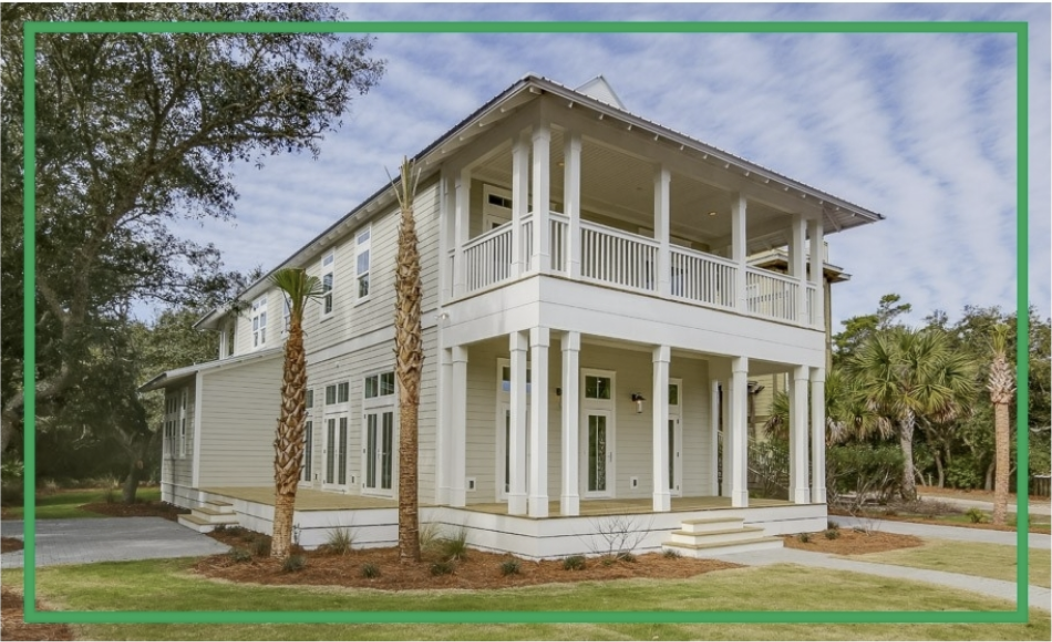
Yes, modular homes can absolutely withstand hurricanes when built right. The safest modular homes are those constructed to meet or exceed Florida’s strict building codes, anchored properly, elevated for flood risk, and reinforced with hurricane-rated materials. If you’re here, you’re probably thinking about going modular for your next home.  Maybe you’ve seen the sleek designs or heard about the faster build times.  But you’ve got that gnawing question in the back of your mind: Can a modular home really survive a hurricane? Or am I just asking for heartbreak the next time a Cat 4 hits? We get it. You don’t want to build something that’ll blow away like a beach tent. In this guide, we’ll talk about how modular homes are engineered for storms.  No fluff. Just real answers from someone who’s been on the ground after the winds died down, rebuilding homes, and helping families feel whole again. Let’s get into it. Modular vs Mobile Homes – Let’s Clear This Up First One of the biggest myths we hear is: “Aren’t modular homes just mobile homes with a nicer name?” Let’s put that to rest; they’re not even close. 1. Modular ≠ Mobile: Key Differences Mobile homes (manufactured

Modular Homes Price Range: What You’ll Really Pay

For most buyers, the sweet spot for modular home pricing is a finished, mid-size home in the $180K–$250K range. It balances quality, speed, and customization without the cost overruns of fully custom builds, making it a smart, efficient choice for long-term value. You’ve probably heard modular homes are “cheaper” or “faster,” and yeah, that can be true, but only if you know what you’re getting into.  Price ranges can swing wildly, from a basic $80K setup to a luxury modular over $600K. And the kicker? It’s not always about square footage.  Site prep, customization, land access, even the brand of modular builder you choose, these all play huge roles in your final price. So if you’re planning to build smart and avoid the budget blowouts, keep reading.  We’ll walk you through what matters most in the modular world, price per square foot, where your money goes, and how to get the best value without compromising on your forever home. Modular Homes Costs: Real Prices by Home Type & Size (2025) Modular homes, done right, offer a level of quality, speed, and hurricane resilience that’s tough to beat, especially here in Florida.  But it’s a wide spectrum when it comes to

The Cheapest Way to Build a House in Florida (2025 Guide)

The cheapest way to build a house in Florida is to go with a modular home on a simple slab foundation, using basic finishes and a rectangular floor plan. It cuts labor, material waste, and weather delays, offering a safe, budget-friendly build that meets Florida codes. Let’s be honest, building a home in Florida isn’t cheap.  Land prices are up, insurance costs are wild, and every time you think you’ve got your budget nailed down, something new pops up. The  idea of building a house while money’s tight? It can feel impossible. But we’re here to tell you, it’s not. With the right strategy, you can build a home in Florida that’s safe, affordable, and built to last.  You don’t need granite countertops or a spiral staircase to live well. You need smart planning, simple design, and materials that make sense for Florida’s climate. In this guide, I’ll walk you through exactly how to build a home on a budget so you don’t get burned. Because it’s not just about saving money, it’s about building a home that’s strong enough to protect what matters most. The Absolute Cheapest Way to Build a House in Florida – With Realistic Budget Chart

High Costs of Modular Homes | The Truth Behind the Price Tag

Modular homes can be expensive due to site prep, custom upgrades, storm-resistant features, and hidden installation costs. In coastal areas like Florida, flood elevation, ICF shells, and crane transport often push prices higher than most buyers expect. Most folks hear “modular” and think fast, easy, and cheap.  But if you’ve started looking into building one, especially here in Florida, you’ve probably experienced a little sticker shock. You’re not alone. Modular homes can save time. But the truth is, they’re not always the budget-friendly option, especially once you start customizing, meeting storm codes, or dealing with remote delivery sites like Sanibel or Marco Island. This article covers modular house pricing in detail.  We’ll also dig into storm upgrades, foundation types, land prep, and everything else that turns a $150/sq ft dream into a $350/sq ft reality. If you’re building your forever home in Southwest Florida, this guide’s for you. Let’s break it all down, one real cost at a time. The Real Cost Of a Modular | The “Turnkey” Modular Pricing When most people start researching modular homes, they’re drawn in by the promise of affordability.  You’ll often hear figures like “just $150 per square foot,” but the reality is rarely

Modular Homes Pricing in Florida | Accurate Build Cost

florida In Florida, modular homes offer serious value, think faster build times, lower costs, and better hurricane resistance. With prices starting around $55 per square foot, they’re quickly becoming the go-to choice for families looking to build smart without sacrificing strength or style. Over the years, one thing has become crystal clear: modular homes aren’t just a trendy alternative to traditional builds.  They’re a smarter solution, especially here in coastal and storm-prone areas. They go up faster, give you better control over budget, and, if done right, can stand up to our toughest weather. But let’s get one thing straight: not all modular homes are created equal.  The price you see in the brochure? That’s just the beginning. If you’re comparing apples to apples, you need the full picture, from land prep to foundation, from storm-proofing to the final punch list.  That’s what this guide is about. Whether you’re building your forever home or rebuilding after a storm, we’ll help you make a decision that’s financially smart and built to last.  Let’s get into it. What’s the Real Cost of a Modular Home in Florida? Let’s cut through the noise. You’ve probably seen modular homes in Florida advertised at $75,000.

Buying Land in Florida to Build a House | Step-By-Step

If you’re building your forever home in Florida, buying land and starting from scratch can be the smartest move, if you do it right. With the right planning, builder, and location, it’s how you get the home you actually want, built to last through storms, floods, and life’s curveballs. Here’s the truth: buying land to build your own home in Florida can be one of the best decisions you’ll ever make, but only if you go in with your eyes wide open. Between zoning confusion, flood risks, and shady sellers, we’ve watched people lose tens of thousands of dollars before they even break ground.  In this guide, we’ll walk you through everything you need to know before buying land in Florida to build a house.  We’ll talk zoning, permits, financing, and all those hidden costs no one warns you about. If you’re ready to do this the right way, let’s dig in. Pros and Cons: Should You Buy Land to Build a Home? Like any big decision, buying land to build your home in Florida comes with serious upsides, and a few important challenges. Let’s break it down honestly so you can make a smart, confident choice. Benefits of Buying

Hurricane Safety for Manufactured Homes (2025 Guide)

A well-built manufactured home can handle Florida storms if it’s properly rated and anchored. Look for Wind Zone III certification, slab foundations, and hurricane-resistant upgrades to boost safety. Without these, even a newer model may fall short when the winds start howling. Manufactured homes have come a long way in terms of affordability, energy efficiency, and design flexibility.  But when it comes to hurricane safety, especially in places like Florida, the conversation shifts from convenience to critical protection.  Homebuyers often ask whether manufactured homes can truly stand up to major storms, or if they’re better off choosing modular or custom-built alternatives. The answer isn’t one-size-fits-all.  Some manufactured homes are built to meet stringent wind zone requirements and can perform well when properly anchored and maintained. Others, particularly older models or those placed on inadequate foundations, remain vulnerable in high-wind events. This article breaks down the reality behind hurricane-proof housing.  We’ll explore the engineering behind different home types, how building codes evolved after storms like Hurricane Andrew, and what design features actually matter when the wind starts howling.  Let’s get into it right away! Manufactured vs Modular vs Mobile: Know the Difference Before You Buy If you’re shopping for a home

Hurricane-Proof Modular Homes: Buyer’s Guide

Modular homes can be incredibly storm-resilient, but only if built right. With advances like ICF walls, steel frames, and elevated foundations, today’s modular designs rival or exceed traditional homes in hurricane protection, especially when customized for Florida’s toughest weather zones. Modular homes have come a long way, and in hurricane-prone areas like Florida, that evolution couldn’t have come at a better time.  For homeowners considering this route, one question rises above the rest: Can a modular home truly stand up to a major hurricane? The answer? Yes, but with a few critical conditions. Not all modular homes are created equal. The materials, foundation design, wind load engineering, and who builds it can make the difference between a home that weathers the storm and one that fails under pressure.  Thanks to new technologies like insulated concrete forms (ICF), steel frame systems, and hurricane-rated glass, today’s modular homes aren’t just safe, they can be downright formidable. In this guide, we’ll explore modular homes engineered for hurricane zones.  We’ll also bust a few outdated myths along the way.  Because building smart means knowing the facts, not falling for old assumptions. Whether you’re planning your dream coastal home or rebuilding after a storm, this

How to Build a House in Florida (Complete 2025 Guide)

The smartest way to build a house in Florida is to work with a local, experienced builder who understands zoning, storm codes, and the full permit process. It’s not just about price, it’s about getting it right from day one so your home is safe, efficient, and built to last. Building a house in Florida is a different ballgame than just about anywhere else in the country.  Between hurricane codes, flood zone restrictions, and complex permitting, there’s a lot more to manage than just picking a floor plan and breaking ground. Whether you already own your land or you’re starting from scratch, the process can feel overwhelming. You’re probably asking:  Can I build on this land?  Should I hire a contractor or manage the build myself?  How do I keep this on budget?  And what’s the actual step-by-step process from dirt to done? This guide is here to walk you through it all.  We’ll cover zoning rules, permitting, construction timelines, budgeting tips, and what it really looks like to build a home here, from site prep to the final inspection.  Let’s break it down step by step and help you build smarter. Can You Build a House on Any Land